Elevate Your Exterior Areas With Expert Landscaping Services: From Outdoor Design to Hardscape Features
Redesigning an outdoor space requires a thoughtful approach to both landscape design and hardscape solutions. Professionals in this field understand the intricacies of combining aesthetic appeal with functionality. By incorporating elements like strategic plant selection and durable materials, they create environments that serve different purposes. This transformation not only increases property value but also elevates the overall experience of outdoor living. Discover what makes these services vital for any homeowner looking to enhance their surroundings.
The Critical Role of Professional Landscape Design
Even though countless homeowners tend to underestimate the influence of professional landscape design, it fulfills a crucial role in improving both the aesthetic appeal and functionality of outdoor spaces. By engaging skilled designers, homeowners can create outdoor environments that showcase their personal style while maximizing the utility of their property. Professional landscape design integrates elements such as plant selection, layout, and seasonal considerations, confirming that the outdoor space remains lively and usable throughout the year.
Moreover, carefully designed landscapes can increase property value and create inviting atmospheres for social events, recreation, and relaxation. Designers evaluate factors such as sunlight, soil quality, and climate to create sustainable solutions that prosper in specific conditions. By blending natural features and architectural elements, professional landscape design transforms typical yards into unified, harmonious spaces that elevate the overall experience of homeownership. In conclusion, investing in professional landscape design delivers a wealth of benefits that stretch beyond mere visual appeal.
Primary Elements of Hardscape Projects
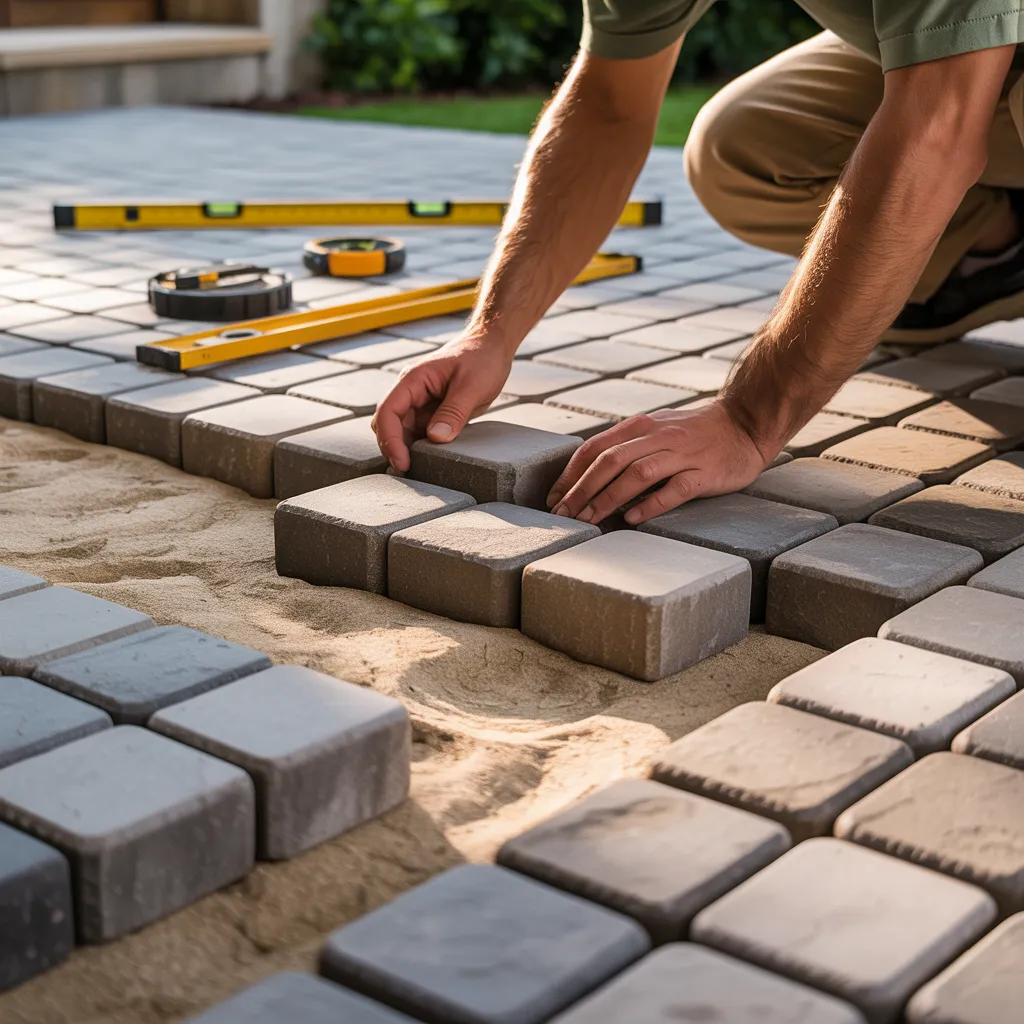
Hardscape solutions form the backbone of any well-designed outdoor space, providing structure and functionality alongside natural elements. Key components include patios, walkways, retaining walls, and outdoor kitchens, all of which enhance usability while adding visual appeal. Outdoor patios act as congregation points, enabling rest and recreation, while walking paths lead people across the grounds, forming distinct corridors. Retention structures simultaneously prevent ground erosion and develop layered garden spaces, contributing vertical dimension to the overall plan. Additionally, substances like natural stone, masonry, and pavers deliver lasting quality and stylistic options, permitting dive in residents to tailor their outdoor settings. Incorporating elements like fire pits and water features can additionally enhance the ambiance and create focal points. Overall, well-planned hardscape solutions contribute to the functionality and beauty of outdoor spaces, ensuring they are both practical and visually engaging.
Creating a Practical Outdoor Living Space
To build a functional outdoor living space, careful planning and thoughtful design are essential. Homeowners should begin by evaluating their available area, considering factors such as proportions, layout, and established components. Determining a clear purpose for the space—whether for dining, entertaining, or relaxation—informs the layout and furnishings. Incorporating distinct zones, such as sitting zones, culinary areas, and activity spaces, enhances practicality and movement.
Furthermore, selecting durable materials for furniture and surfaces is crucial, ensuring longevity against weather elements. Adequate lighting can transform the atmosphere, delivering both safety and ambiance after sunset. Furthermore, integrating elements like fire pits or outdoor kitchens provides functionality and encourages year-round use. Thoughtful design should also include pathways and access points, ensuring ease of movement throughout the space. By balancing aesthetics with practicality, homeowners can create an inviting outdoor environment suited to their lifestyle and needs.
Picking the Appropriate Plants for Your Local Climate
Selecting the right plants for a specific climate is essential for a thriving outdoor landscape, as it ensures both health and sustainability. Different climates, whether arid, temperate, or tropical, present unique challenges and opportunities for plant selection. Native plants frequently perform best, as they have adapted to local conditions and require less maintenance. For example, drought-resistant succulents are ideal for dry regions, while vibrant flowering plants may thrive in more humid environments.
Moreover, comprehending seasonal variations, including frost dates and rainfall patterns, can aid homeowners identify plants that will grow well throughout the year. Working with local gardening resources or landscape professionals can supply valuable insights into the best species for a particular area. In the end, opting for climate-appropriate plants not only improves the aesthetic appeal of the outdoor space but also promotes biodiversity and environmental health, supporting a sustainable landscape design.
Care Tips for a Gorgeous Landscape
A professionally crafted landscape demands consistent maintenance to sustain its attractiveness and wellness, independent of the plant species picked for the local weather conditions. Consistent upkeep is vital for maintaining the beauty and utility features of any outdoor environment. This comprises everyday duties such as turf management, clipping, and faded flower elimination to guarantee plants remain healthy and vibrant. Furthermore, appropriate irrigation methods must be utilized, factoring in seasonal transitions and flora necessities to eliminate improper hydration practices.
Mulching can help retain soil moisture and suppress weeds, contributing to a more attractive landscape. Regular fertilization at suitable times delivers vital nutrients, while pest and disease management guarantees that plants remain resilient. Regular seasonal maintenance, such as removing leaves and clearing debris, improves landscape aesthetics and avoids possible problems. Through consistent application of these maintenance strategies, property owners can experience a vibrant outdoor space that consistently impresses across all seasons.
Questions and Answers
How Long Will a Standard Landscaping Project Take to Finish?
A typical landscaping project can require anywhere from several days to multiple weeks, contingent upon the scale of the project, complexity of design, and weather conditions, providing a meticulous and acceptable completion for the client.
What Does Professional Landscaping Typically Cost?
The average cost of professional landscaping services vary significantly, generally ranging from $1,500 to $5,000 for fundamental projects. Factors influencing price include project complexity, materials used, and local labor rates, influencing overall expenses substantially.
Are Landscaping Services Available Year-Round or Seasonally?
All-year, landscaping services are generally available, even though specific offerings may be influenced by seasonal factors. Many companies modify their services to accommodate seasonal changes, supplying maintenance, design, and installation suited to the needs of each period.
Will Landscaping Companies Guarantee Their Work with Warranties?
Numerous landscaping businesses provide warranties on their work, providing quality and customer satisfaction. The specifics of these warranties can fluctuate, including duration and coverage, so clients are advised to ask for specific information before hiring.
Can I Integrate Existing Features In My New Landscape Design?
Yes, existing features can be incorporated into new landscape designs. A skilled designer evaluates current elements, confirming they coordinate with new elements, enhancing overall aesthetics and functionality while reducing needless elimination or modification of existing structures.